Anemia is common among patients with chronic kidney disease (CKD). Anemia underlies many of the symptoms associated with reduced kidney function and is associated with increased mortality and hospitalizations
Diabetic nephropathy (diabetic kidney disease) is kidney damage that results from having diabetes. Having high blood glucose levels due to diabetes can damage the part of the kidneys that filters your blood. The damaged filter becomes ‘leaky’ and lets protein into your urine.
Edema Edema is swelling caused by excess fluid trapped in the body’s tissues (fluid retention). Edema may be generalized or local. Swelling caused by edema commonly occurs in the hands, arms, ankles, legs and feet. It can appear suddenly, but usually develops subtly. You may first gain weight, or wake up with puffy eyes.
Glomerulonephritis is a group of kidney diseases characterized by inflammation of the filtering units of the kidney called glomeruli. When inflamed these glomeruli allow passage of protein and blood into the urine.
Nephrotic syndrome is usually caused by damage to the clusters of small blood vessels in your kidneys that filter waste and excess water from your blood. Nephrotic syndrome causes swelling (edema), particularly in your feet and ankles, and increases the risk of other health problems.
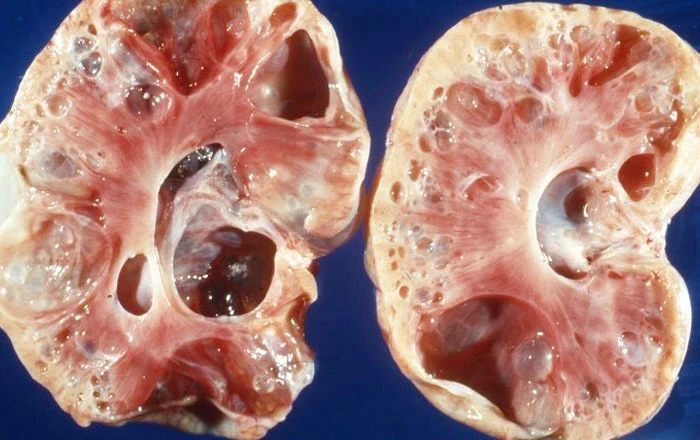
Polycystic Kidney Disease Polycystic kidney disease (PKD) is an inherited disorder in which clusters of cysts develop primarily within your kidneys, causing your kidneys to enlarge and lose function over time. Cysts are noncancerous round sacs containing fluid. The cysts vary in size, and they can grow very large. Having many cysts or large cysts
Conctact our office today if you believe you may have hypertension or elevated blood pressure and need further evaluation and treatement. The prevalence of hypertension is high in the United States and worldwide.
Call and Make an appointment to see one of our kidney specialists to diagnose and treat your Nephrolithiasis. The development of the stones is typically related to increased excretion of stone-forming components such as calcium, oxalate, urate or cystine.
Lupus nephritis can cause many signs and symptoms and may be different for everyone. Signs of lupus nephritis include: blood in the urine, protein in the urine, edema, weight gain and high blood pressure. Call our office today if you suffer from any of these symptoms so we can diagnose and treat in a timely fashion.
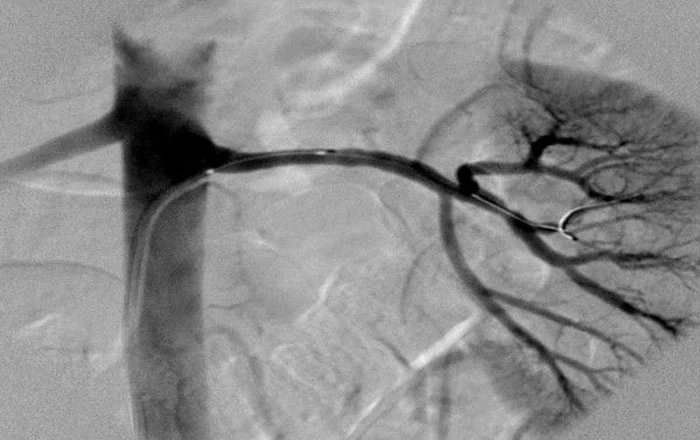
Renal Artery Stenosis Renal artery stenosis is the narrowing of one or more arteries that carry blood to your kidneys (renal arteries). Narrowing of the arteries prevents normal amounts of oxygen-rich blood from reaching your kidneys. Your kidneys need adequate blood flow to help filter waste products and remove excess fluids.
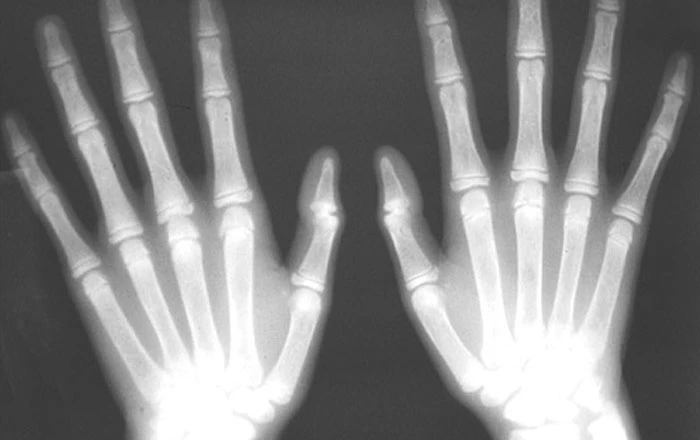
Having healthy bones is essential to maintaining body structure and mobility. The human skeleton supports body weight and protects the brain and other organs. The skeleton also stores two important minerals—calcium and phosphorus.
Serum levels of calcitriol, the native form of active vitamin D, decline as renal function worsens, and calcitriol deficiency is almost universal among untreated patients on dialysis.Simultaneously, CVD and death risk rise dramatically as renal failure progresses.
CKD is defined by the presence of kidney damage or decreased kidney function for three or more months, irrespective of the cause. Contact our office today to set up an appointment and get your chronic kidney disease under control and prevent further deterioration.
The symptoms of electrolyte imbalance are based on which of the electrolyte levels are affected. If your blood test results indicate an altered potassium, magnesium, sodium, or calcium levels, you may experience muscle spasm, weakness, twitching, or convulsions.
Ready
to Get Started?
Schedule Your Visit Today
Our team of expert nephrologists is ready to
provide you with the highest quality kidney care. Call us or book online — we're here for you.