
Lupus Nephritis
Lupus nephritis can cause many signs and symptoms and may be different for everyone. Signs of lupus nephritis include: blood in the urine, protein in the urine, edema, weight gain and high blood pressure. Call our office today if you suffer from any of these symptoms so we can diagnose and treat in a timely fashion.
In-Center Dialysis
Coordinated care at top Long Island dialysis centers
Expert Team
Board-certified nephrologists managing every step
Care Planning
Individualized treatment plans for each patient
Urgent Support
Available for urgent kidney and dialysis concerns
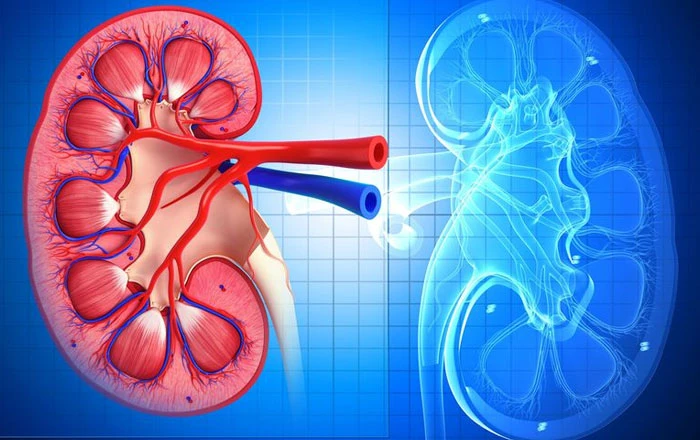
Diagnosis and Care for Lupus Nephritis
There are two types of lupus. Systemic lupus erythematosus (SLE) is the form of lupus that can harm your skin, joints, kidneys and brain and may be fatal.
The other form of lupus is called “discoid” lupus erythematosus, which affects only your skin. Systemic lupus erythematosus (SLE) that affects the kidneys is called lupus nephritis. Lupus is an “autoimmune” disease, meaning your immune system (your body’s defense system), which usually protects the body from disease, turns against the body. This causes harm to organs and tissues, like your kidneys. Lupus nephritis causes inflammation (swelling or scarring) of the small blood vessels that filter wastes in your kidney (glomeruli) and sometimes the kidneys, by attacking them like they would attack a disease.